Best AI Stocks Beyond NVIDIA In 2026: Where Investors Are Looking Next
AI Infrastructure Is Changing: Why Inference Is Becoming the New Center of the AI Economy
The AI industry is gradually shifting from model training to real-time inference, and this is changing how computing systems are built and used.

Modern AI systems are increasingly dependent on large-scale data centers and continuous computation rather than one-time model training.
1. From Training to Inference: A Structural Shift
In the early phase of modern AI, most attention was placed on model training — building large neural networks using massive datasets and GPUs.
That phase helped define the current AI ecosystem, but it is no longer the only driver of demand.
Inference: Running AI models repeatedly in real-world usage
Inference happens every time an AI system responds to a question, generates text, analyzes data, or powers an automated workflow.
As AI becomes more widely used, inference demand grows continuously rather than in one-time cycles.
2. Why Inference Changes the Economics of AI
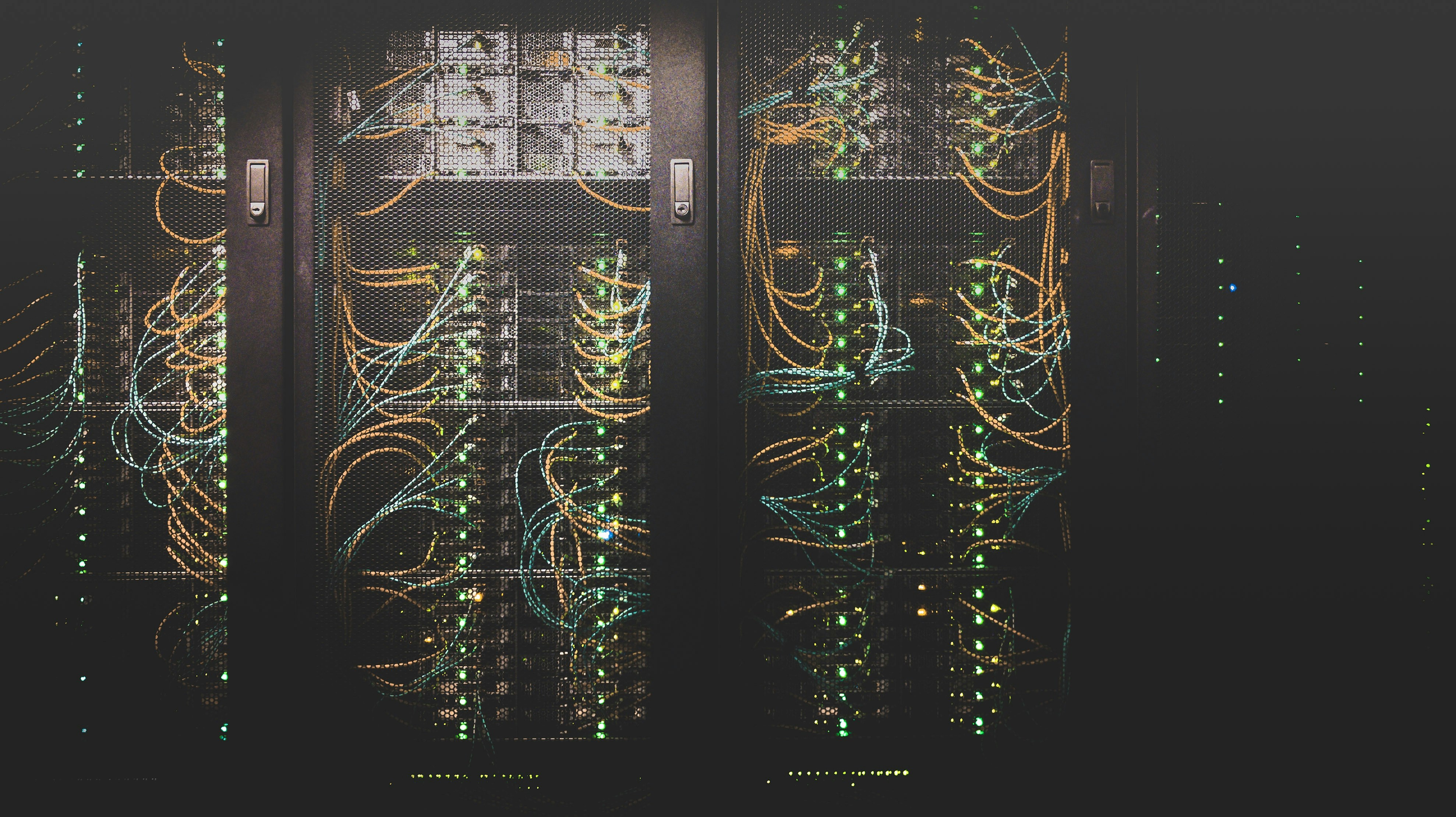
Unlike training, which is concentrated in short periods, inference is ongoing.
This creates a different type of infrastructure demand:
- Constant compute usage
- Higher memory bandwidth requirements
- Increased energy and cooling demand
Industry research, including the Stanford AI Index, has highlighted the rapid growth of AI system usage beyond model development.
3. Infrastructure Becomes the Bottleneck
As inference workloads grow, constraints shift away from software and toward physical infrastructure.
Key constraints include:
- GPU availability and efficiency
- Memory bandwidth (HBM demand)
- Data center cooling systems
- Energy consumption limits
Companies across the ecosystem are adapting to these constraints in different ways.
4. Where the Industry Focus Is Moving
Broadcom – Custom Silicon Trend
Large cloud providers are increasingly exploring custom chips (ASICs) to optimize cost and efficiency for inference workloads.
Micron – Memory Demand Growth
High Bandwidth Memory (HBM) is becoming more important as AI models require faster data access.
Vertiv – Cooling and Power Systems
Data center cooling and power infrastructure are gaining importance due to rising compute density.
More information can be found at McKinsey AI research.
5. Where Nvidia Still Fits

Nvidia remains central to AI computing infrastructure, particularly in training workloads and high-performance inference systems.
However, the ecosystem is becoming more distributed as specialized hardware and infrastructure solutions expand.
6. A Personal Observation (Workflow Perspective)
In day-to-day workflows, one noticeable change is that AI tools are no longer “occasional assistants.”
They are increasingly integrated into routine tasks such as writing drafts, summarizing information, and assisting with analysis.
What stands out is not just speed, but how often AI systems are being used throughout the day. This reflects the broader shift toward continuous inference usage rather than one-time model interaction.
7. The Bigger Picture: AI as Continuous Infrastructure
AI is gradually becoming less about model creation and more about system operation.
This shift resembles the evolution of cloud computing — from building servers to continuously running services at scale.
FAQ
Q. What is inference in AI?
Inference is the process where a trained AI model is used to generate outputs in real time.
Q. Why is inference becoming more important?
Because AI is now used continuously in real-world applications, not just during development.
Q. Does this mean GPUs are no longer important?
No. GPUs remain essential, but demand is expanding into memory, cooling, and system efficiency.
Q. Is this an investment recommendation?
No. This article is informational and does not provide financial advice.
Comments
Post a Comment