Buy or Rent in 2026? The Simple Rent vs Buy Rule You Should Know
Should You Buy or Rent in a Major U.S. City Right Now? A 2026 Reality Check
What today's housing market means for buyers, renters, and anyone planning their next move.

For many Americans, deciding whether to buy a home or continue renting has become one of the biggest financial questions of 2026.
Home prices remain elevated in many metropolitan areas, mortgage rates are still significantly higher than the record lows seen during 2020 and 2021, and rents continue to consume a large portion of household budgets.
Whether you're considering a move to Chicago, New York, Los Angeles, Miami, Dallas, or another major city, the answer is rarely the same for everyone. The right decision often depends more on your financial situation, future plans, and lifestyle goals than on market headlines.
Understanding the 2026 Housing Market
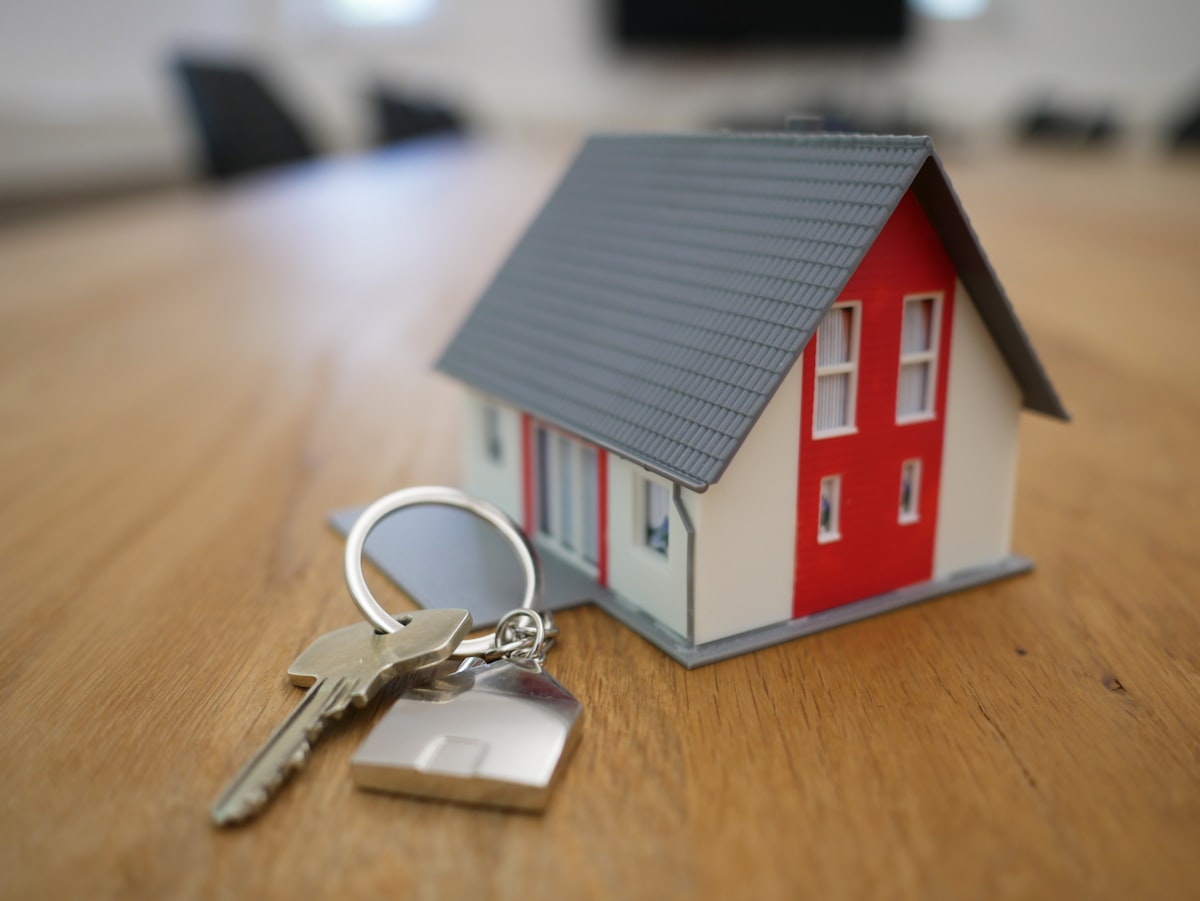
The housing market today looks very different from the pandemic-era housing boom.
Inventory has improved in some regions, giving buyers more choices than they had during the intense bidding wars of 2021 and 2022. However, affordability remains a challenge because mortgage rates are considerably higher than they were a few years ago.
As a result, monthly payments for buyers can be substantially larger even when home prices have not increased dramatically.
For current mortgage rate information, visit the Freddie Mac Primary Mortgage Market Survey:
Typical Monthly Housing Costs in Major Cities
The figures below are broad estimates and can vary significantly depending on neighborhood, property type, taxes, insurance, and financing terms.
| City | Typical Monthly Rent | Estimated Monthly Ownership Cost |
|---|---|---|
| New York City | $3,000 – $3,800+ | $3,500 – $5,000+ |
| Los Angeles | $2,500 – $3,200+ | $3,000 – $4,500+ |
| Chicago | $1,800 – $2,400+ | $2,200 – $3,000+ |
| Dallas | $1,600 – $2,300+ | $2,000 – $3,200+ |
| Miami | $2,300 – $3,300+ | $3,000 – $4,800+ |
Ownership costs typically include principal and interest payments, property taxes, homeowners insurance, and maintenance expenses. Renters generally avoid many of these additional costs.
Why This Decision Feels So Difficult
People often compare a rent payment directly to a mortgage payment, but the reality is more complicated.
Buying a home may help build equity over time, but ownership also comes with maintenance responsibilities, repair costs, insurance expenses, and property taxes.
Renting may not build ownership, but it provides flexibility and predictability that many households value.
That is why the buy-versus-rent debate is not purely a financial decision—it is also a lifestyle decision.
The Most Important Question to Ask Yourself
This single question often matters more than trying to predict future home prices or mortgage rates.
The longer you stay, the more time you have to spread out closing costs, moving expenses, and transaction fees associated with buying and eventually selling a property.
For many households, a longer timeline can improve the financial case for ownership.
When Buying May Make Sense

- You plan to stay in the area for at least seven years.
- Your income is stable and predictable.
- You have emergency savings after making a down payment.
- You want more control over your living space.
- You are comfortable handling maintenance and repair costs.
In these situations, homeownership may support long-term financial and personal goals.
When Renting May Be the Better Choice
- You may relocate within the next few years.
- Your career or business situation could change.
- You are still building savings.
- You value flexibility.
- You prefer not to deal with home maintenance.
Renting is not necessarily a financial mistake. For many people, flexibility can be worth more than ownership during certain stages of life.
A Perspective From Real Estate Experience
As a managing broker, I have worked with buyers in both strong and challenging housing markets.
One pattern appears consistently: successful buyers rarely succeed because they perfectly timed the market.
Instead, they tend to purchase when their finances are stable, their housing needs are clear, and they have a realistic plan to stay in the property long enough for the purchase to make sense.
Market conditions matter, but personal readiness often matters more.
Helpful Resources for Home Buyers
Final Thoughts
There is no universal answer to the buy-versus-rent question.
If you have stable finances, expect to remain in the same location for many years, and find a property that comfortably fits your budget, buying may be worth considering.
If your future plans remain uncertain or flexibility is important, renting may continue to be the more practical option.
Frequently Asked Questions
No. The better choice depends on your finances, housing market, lifestyle goals, and how long you plan to stay in the property.
Many financial analyses use seven years as a rough guideline, although the ideal timeframe varies by market and individual circumstances.
Future rates are difficult to predict. Affordability and long-term plans are generally more important than attempting to time interest-rate movements.
No. Home values can rise, remain flat, or decline. Homeownership also includes taxes, insurance, maintenance, and other ongoing costs.
Generally, Chicago remains more affordable than many neighborhoods in New York City and Los Angeles, although prices vary widely by neighborhood.
Many financial professionals suggest keeping total housing costs near 28% to 30% of gross monthly income, though individual circumstances vary.
Comments
Post a Comment